


Pelvi ureteric junction (PUJ) obstruction is a condition where there is a blockage or narrowing at the point where the kidney pelvis connects to the ureter. This obstruction interferes with the normal flow of urine, causing it to accumulate in the kidney — a condition known as hydronephrosis. If left untreated, progressive swelling can lead to increased pressure on the kidney and eventually impair its function.
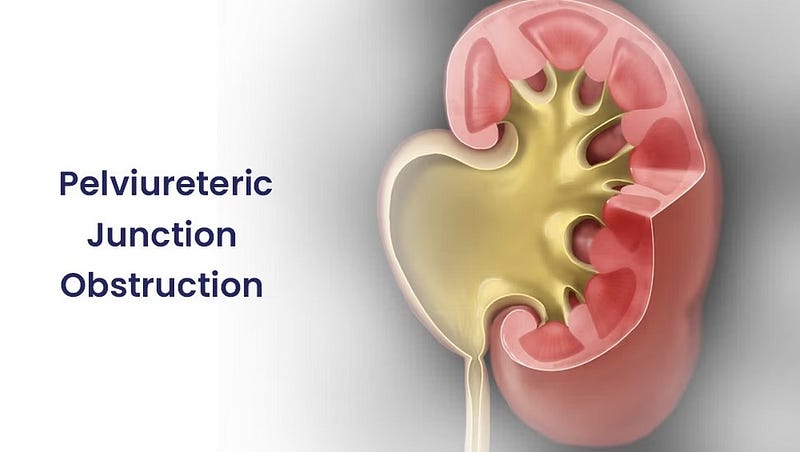
With advancements in pediatric urology, specialized centers providing Pelvi Ureteric Junction Obstruction Treatment Delhi offer early diagnosis and effective management to preserve kidney health in children.
How Common is PUJ Obstruction?
PUJ obstruction is a relatively common congenital condition, affecting approximately 1 in 1,500 children. It is one of the leading causes of hydronephrosis detected during prenatal ultrasound screening, allowing early monitoring and intervention soon after birth.
Symptoms of PUJ Obstruction:
In many cases, PUJ obstruction may not cause noticeable symptoms and is identified incidentally during imaging studies. However, some children may present with:
- Swelling of the kidney detected on ultrasound (hydronephrosis)
- Intermittent pain in the abdomen or flank region
- Recurrent urinary tract infections (UTIs)
- Episodes of nausea or vomiting
Symptoms may vary depending on the severity of the obstruction and the degree of kidney involvement.
Diagnosis and Evaluation:
Accurate diagnosis is essential to determine the severity of obstruction and plan appropriate treatment. The most important diagnostic test is:
- DTPA Renal Scan: This imaging study evaluates kidney function and measures the extent of urinary blockage
Additional investigations such as ultrasound and urine tests may also be performed to monitor kidney health and detect associated complications.
Treatment Options:
The management of PUJ obstruction depends on its severity:
- Observation: Mild cases that are stable or improving may only require regular monitoring with ultrasound
- Surgical Intervention: Severe or worsening obstruction that threatens kidney function requires surgical correction
What is Pyeloplasty?
Pyeloplasty is the definitive surgical procedure for PUJ obstruction. It involves removing the narrowed segment of the ureter and reconnecting the healthy portion to the kidney pelvis to restore normal urine flow.
This procedure can be performed using:
- Open Surgery
- Minimally Invasive Techniques such as laparoscopic or robotic-assisted surgery
Minimally invasive approaches are increasingly preferred due to reduced pain, faster recovery, and better cosmetic outcomes.
Postoperative Recovery:
After surgery:
- Hospital stay is usually 1–2 days
- The child can resume normal activities within a few days
- A temporary stent is placed in the ureter to maintain drainage during healing
- The stent is removed after 4–6 weeks through a simple day-care procedure
Follow-up imaging is essential to ensure proper kidney function and successful relief of obstruction.
Choosing the Right Specialist:
For optimal outcomes, it is important to consult the Best Pediatric Urologist in Dwarka, Delhi who has expertise in diagnosing and managing pediatric urinary tract conditions. A multidisciplinary approach ensures comprehensive care and long-term monitoring.
Conclusion:
Pelvi ureteric junction obstruction is a manageable condition when diagnosed early and treated appropriately. With access to advanced Pelvi Ureteric Junction Obstruction Treatment Delhi, children can achieve excellent recovery and maintain normal kidney function. Timely medical care and regular follow-up play a key role in ensuring a healthy future.
#Pelvi Ureteric Junction Obstruction Treatment Delhi #Robotic Pyeloplasty Surgery in Delhi