


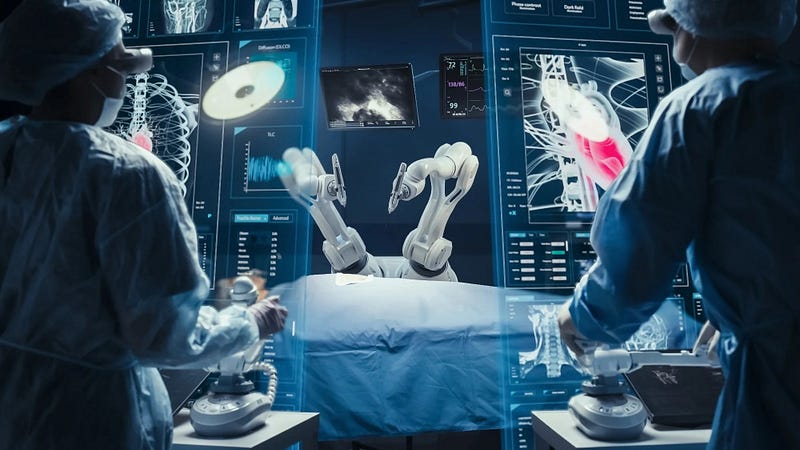
Robotic-assisted pyeloplasty is a highly advanced, minimally invasive surgical procedure used to treat ureteropelvic junction (UPJ) obstruction in children. This condition affects the flow of urine from the kidney to the ureter, leading to backflow and swelling of the kidney. With the availability of Robotic Pyeloplasty Surgery in Delhi, children can now benefit from precise correction with faster recovery and minimal discomfort.
Understanding UPJ Obstruction:
The ureteropelvic junction is the point where the kidney connects to the ureter. In some children, this junction may be narrowed or blocked due to congenital abnormalities or external compression by blood vessels. This results in urine accumulation in the kidney, known as hydronephrosis.
Common symptoms include:
- Abdominal or flank pain
- Recurrent urinary tract infections
- Nausea or vomiting
- Progressive decline in kidney function
If left untreated, UPJ obstruction can lead to long-term kidney damage.
Preoperative Evaluation:
Before surgery, a detailed assessment is carried out to evaluate kidney function and confirm the diagnosis. Investigations typically include:
- Ultrasound imaging
- Nuclear renal scan (DTPA or MAG3)
- Blood and urine tests
These tests help determine the severity of obstruction and guide surgical planning.
How Robotic Pyeloplasty is Performed:
The procedure is performed under general anesthesia using robotic technology for enhanced precision.
- Port Placement: Small incisions (5–8 mm) are made to insert a high-definition camera and robotic instruments
- Dissection: The blocked segment of the ureter is carefully identified and separated from surrounding tissues
- Reconstruction (Anastomosis): The narrowed portion is removed, and the healthy ureter is reconnected to the kidney using fine sutures
- Stent Placement: A temporary DJ stent is inserted to maintain urine flow and support healing
- Closure: Incisions are closed with absorbable sutures, leaving minimal scars
The robotic system allows surgeons to perform delicate procedures with exceptional accuracy, even in small children.
Benefits of Robotic Pyeloplasty:
Robotic-assisted surgery offers several advantages over traditional open techniques:
- Minimal pain and smaller incisions
- Reduced blood loss and lower infection risk
- Faster recovery and shorter hospital stay
- Improved surgical precision and outcomes
- Excellent cosmetic results with minimal scarring
Recovery and Postoperative Care:
Children generally recover quickly after robotic pyeloplasty:
- Hospital stay is typically 2–3 days
- Oral feeding resumes within 24 hours
- Mild discomfort is managed with medications
- Normal activities can be resumed within a week
The DJ stent placed during surgery is usually removed after 4–6 weeks through a simple, non-invasive procedure.
Choosing the Right Specialist:
Successful treatment depends on the expertise of the surgical team. Consulting the Best Pediatric Urologist in Dwarka, Delhi ensures accurate diagnosis, advanced surgical care, and proper follow-up. A multidisciplinary approach further enhances patient safety and long-term outcomes.
Conclusion:
Robotic-assisted pyeloplasty is a safe and effective solution for children with UPJ obstruction. With access to Robotic Pyeloplasty Surgery in Delhi, parents can be assured of advanced treatment, minimal discomfort, and excellent recovery for their child. Early diagnosis and timely intervention are key to preserving kidney function and ensuring a healthy future.
#Robotic Pyeloplasty Surgery in Delhi #Best Pediatric Surgeon in India
Also visit: https://telegra.ph/Specialized-Surgical-Care-for-Children-by-the-Best-Pediatric-Surgeon-in-India-04-17