



Knee pain is one of the most common musculoskeletal complaints, especially among individuals above the age of 50. While early-stage arthritis can often be managed with medications, physiotherapy, and lifestyle changes, advanced joint degeneration may require surgical intervention. Total Knee Replacement Surgery in Delhi has become a highly effective and widely performed procedure to relieve chronic pain and restore joint function.
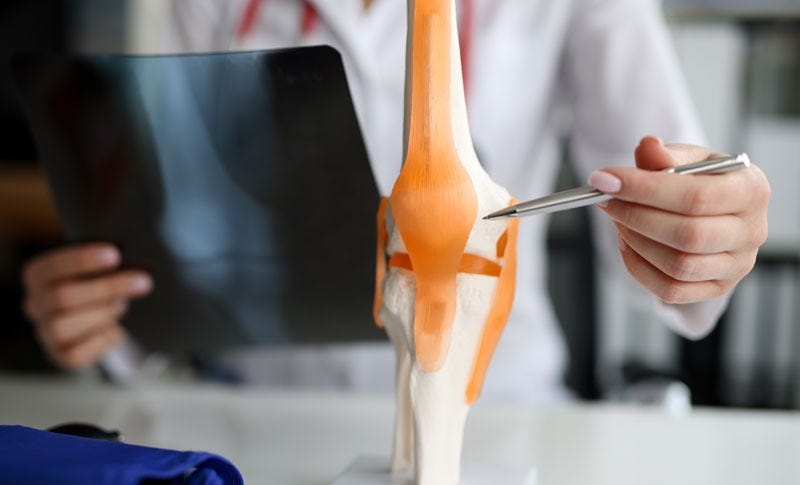
What is Knee Replacement Surgery?
Knee replacement, medically known as knee arthroplasty, involves removing damaged cartilage and bone from the knee joint and replacing them with artificial components called prostheses. These implants are designed to replicate the natural movement of the knee, allowing improved mobility and significant pain reduction.
There are two main types of procedures:
- Total Knee Replacement (TKR): Replacement of the entire knee joint, including the femoral and tibial surfaces.
- Partial Knee Replacement (PKR): Replacement of only the affected compartment of the knee, preserving healthy structures.
An experienced Orthopaedic Surgeon Delhi evaluates each case to determine the most suitable approach.
Who Requires Knee Replacement?
Not all patients with knee pain require surgery. Knee replacement is typically recommended when:
- Severe osteoarthritis or inflammatory arthritis is present
- There is significant joint deformity or cartilage loss
- Pain persists despite conservative treatments
- Mobility is severely restricted, affecting daily activities
Diagnosis involves clinical examination along with imaging studies such as X-rays or MRI scans to assess the extent of joint damage.
Ideal Age for Surgery:
There is no fixed age for knee replacement; however, most patients undergoing Total Knee Replacement Surgery in Delhi fall within the 60–80 age group. Advances in implant technology have made it possible for younger patients with severe symptoms to benefit from surgery as well. However, younger individuals should consider the possibility of revision surgery later in life due to implant wear over time.
Implant Longevity:
Modern knee implants are designed to last approximately 15–20 years or longer, depending on several factors such as:
- Patient activity level
- Body weight
- Surgical technique
- Implant quality
Patients are generally advised to avoid high-impact activities like running or jumping to prolong implant lifespan.
Recovery and Rehabilitation:
Recovery timelines can vary, but a general pattern includes:
- Hospital Stay: 2–4 days
- Walking with Support: Within 24–48 hours
- Return to Routine Activities: 4–6 weeks
- Full Recovery: 3–6 months
Structured physiotherapy is essential to restore strength, flexibility, and joint function. Consistent rehabilitation significantly improves long-term outcomes.
Pain and Safety:
While surgery involves some degree of discomfort, modern pain management techniques, including regional anesthesia and medications, ensure effective control. In fact, most patients report greater relief after surgery compared to pre-operative chronic pain.
Although knee replacement is considered safe, potential risks include infection, blood clots, implant loosening, and stiffness. These risks are minimized with proper surgical care and post-operative management.
Life After Knee Replacement:
Patients often experience improved mobility and reduced pain after surgery. However, the artificial joint may not feel exactly like a natural knee. Some individuals may notice minor sensations such as stiffness or clicking, which usually improve over time.
Adopting a healthy lifestyle is essential for long-term success. Maintaining an optimal weight, engaging in low-impact activities like walking or swimming, and attending regular follow-ups with an Orthopaedic Surgeon Delhi are strongly recommended.
Success Rate and Alternatives:
Total Knee Replacement Surgery in Delhi has a high success rate, with more than 90% of patients experiencing significant pain relief and improved quality of life. Before considering surgery, alternative treatments such as physiotherapy, medications, injections, and weight management may be explored.
Conclusion:
Knee replacement surgery is a life-changing procedure for patients suffering from severe joint pain and disability. With advancements in surgical techniques and rehabilitation, patients can regain mobility and lead an active, pain-free life. Consulting a skilled Orthopaedic Surgeon Delhi ensures proper evaluation, personalized treatment, and optimal outcomes.
#Total Knee Replacement Surgery in Delhi #Partial Knee Replacement Surgery Delhi
Also visit: https://telegra.ph/Post-Surgery-Care-After-Total-Hip-Replacement-Surgery-in-Delhi-04-09